

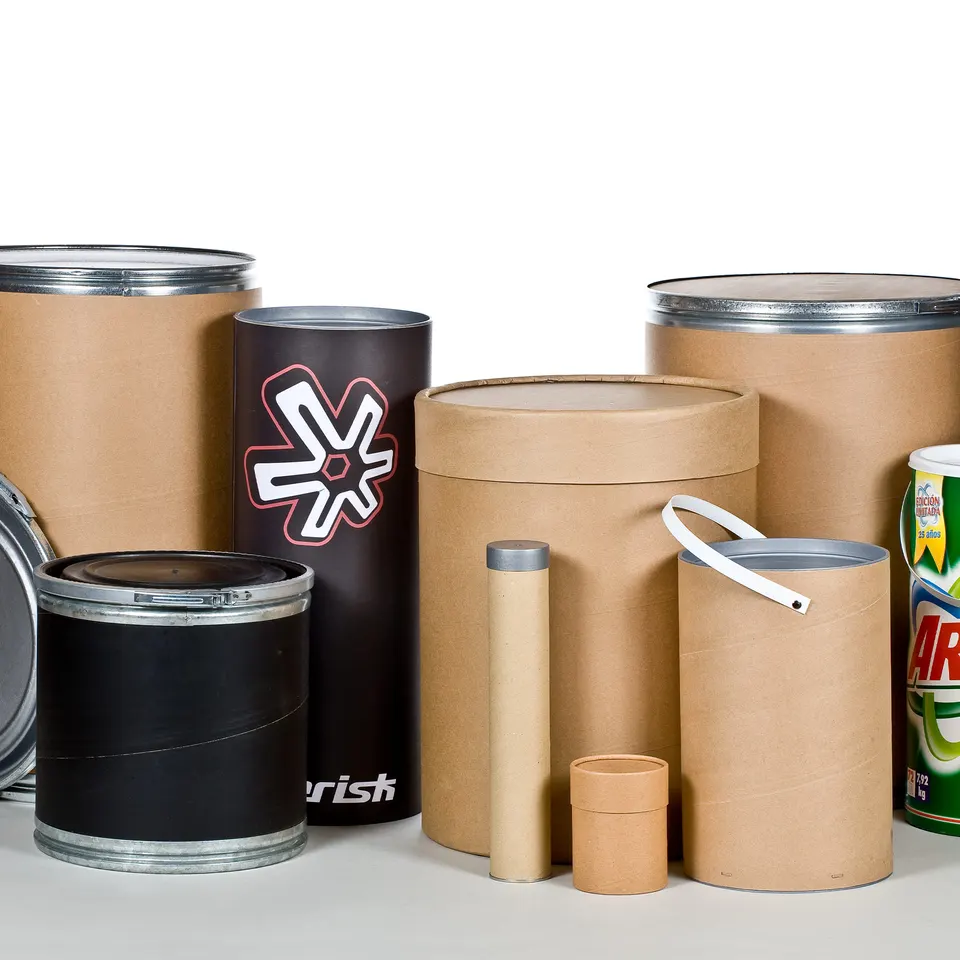
At first glance, the pack that reaches the consumer's hands seems the pinnacle of sustainability. It is sturdy, with an organic feel and an unmistakable kraft colour. On the base, the triangular recycling symbol promises a clear conscience when it is tossed into the blue bin.
The packaging industry, driven by increasingly strict regulations such as the new European Packaging Regulation (PPWR) of this year, 2026, has declared war on single-use plastic. The star replacement? Cardboard. However, in the age of the circular economy, assuming that "everything brown is automatically eco-friendly" is to oversimplify a monumental technical challenge.
Behind the eco-friendly label of many packs on the market lies a major challenge for waste treatment plants: poorly designed multilayer packaging.
The challenge at the recycling plant
For paper to withstand liquids and extreme humidity or to keep food fresh, cellulose alone is sometimes not enough. Historically, the industry resorted to creating inseparable "sandwiches" of paper, thin aluminium foil and plastic coatings.
The real "recycling dilemma" begins in the giant industrial blender (the pulper) at recovery plants, designed to mix cellulose fibre with water. When a consumer tosses a traditional composite pack into the blue bin, the system suffers:
Pulp contamination: Fragments of melted plastics and aluminium that do not dissolve drastically reduce the quality of the resulting recycled paper.
The adhesive problem: Traditional industrial glues form sticky lumps (stickies) that clog the machinery.
Batch rejection: If the sensors detect too many inseparable "improper" materials, the entire batch may end up in incineration or landfill.
The Fatecsa solution: ecodesign and separability
This is where the packaging sector divides between those who still manufacture as they did in the 20th century and those who apply ecodesign. At Fatecsa, we know that the solution is not to give up on product protection, but to innovate in how the pack is made in order to guarantee its second life.
How do we solve this structural dilemma in our industrial packaging and premium cases?
A commitment to mono-material design: Whenever the product allows it, we eliminate foreign elements. One example is our rolled-edge systems on cylindrical cases, which replace the traditional metal or plastic lids with 100% cardboard closures, ensuring direct, friction-free recycling.
Design for disassembly: In advanced solutions such as our Bag-in-Tube systems, ecodesign is key. We create structures in which the end consumer or the recycling plant can easily separate the rigid cardboard outer shell (which goes into the blue bin) from the inner bag, ensuring that each material follows its correct route without contaminating the other.
Optimised adhesives and materials: We select raw materials, from kraft board to the bonding elements, with the repulping process in mind, in line with the most demanding recyclability standards in Europe.
A three-way responsibility
Cardboard is, and will remain, the fundamental pillar of the packaging of the future. But a truly circular economy requires a three-way pact: clear regulations, consumers who are aware that components sometimes have to be separated before recycling, and manufacturers who prioritise ecodesign from the very first sketch.
At Fatecsa we do not just manufacture packaging; we design life cycles. If you are looking to adapt your company's packaging to the new 2026 sustainability regulations without losing quality or strength, we are here to guide you.