

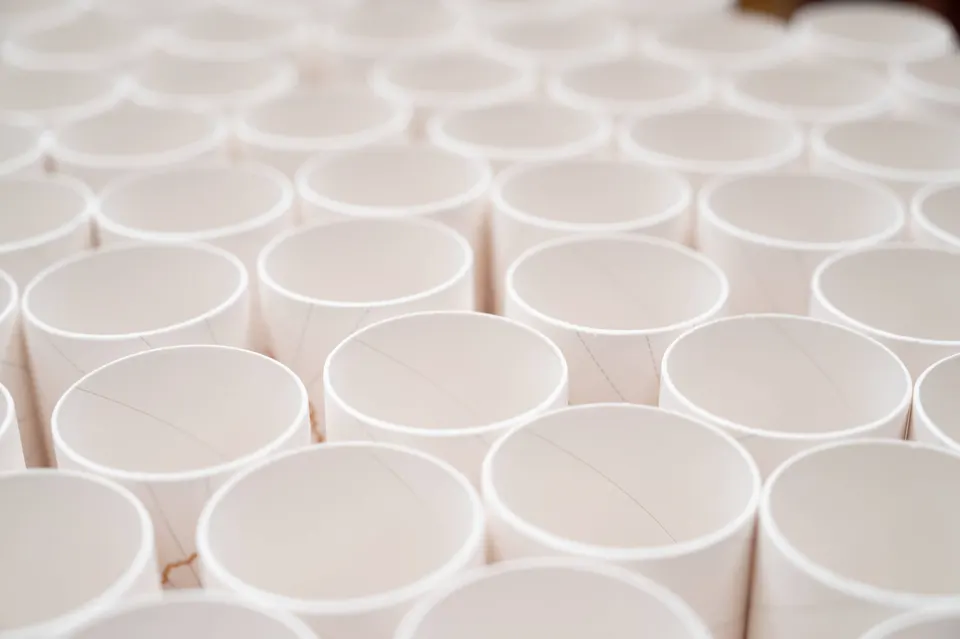
In the search for sustainable alternatives to tackle the growing problem of plastic waste, cardboard packaging has emerged as a promising solution. In a world increasingly aware of sustainability, the role of packaging in generating waste has become critically important.
In the case of cardboard, its use not only helps reduce dependence on single-use plastics but also brings multiple benefits to the environment. Below, we explore how cardboard packaging contributes significantly to reducing plastic waste and protecting our surroundings.
The problem of plastic waste
Advantages of cardboard packaging
Cardboard packaging is a sustainable alternative to plastic, there is no doubt about that. Being biodegradable and compostable, it fits naturally into ecological cycles, reducing the build-up of plastic waste that pollutes soil and bodies of water. Cardboard products break down over a much shorter period, which reduces their long-term environmental impact.
Reduced use of plastic
Adopting cardboard packaging instead of plastic leads to a direct reduction in the amount of plastic used to pack products. This change is crucial to reducing the amount of plastic waste that ends up in landfills, oceans and other natural environments. Less plastic in these places mitigates the harmful effects on wildlife and ecosystems.
Encouraging recycling
Cardboard is a highly recyclable material, and many recycling programmes worldwide accept and process it efficiently. Promoting the use of cardboard packaging encourages recycling practices, contributing to the reduction of plastic waste. As demand for cardboard recycling grows, it fosters a circular economy that minimises waste and optimises the use of resources.
Biodegradability
Unlike plastic, which can take hundreds of years to break down, cardboard packaging biodegrades quickly. This characteristic significantly reduces the build-up of waste in the environment. By breaking down faster, cardboard not only takes up less space in landfills but also reduces the release of toxic substances that can result from the degradation of plastic.
Lower environmental impact
The production of cardboard packaging generally has a lower environmental impact than the production of plastic packaging. This is because cardboard is a renewable material that comes mainly from sustainable sources, such as responsibly managed forests. In addition, cardboard manufacturing processes tend to be less intensive in terms of energy consumption and carbon emissions.
At Fatecsa we are committed to sustainability and support the use of cardboard packaging to contribute to a healthier planet free from plastic pollution. www.fatecsa.com